
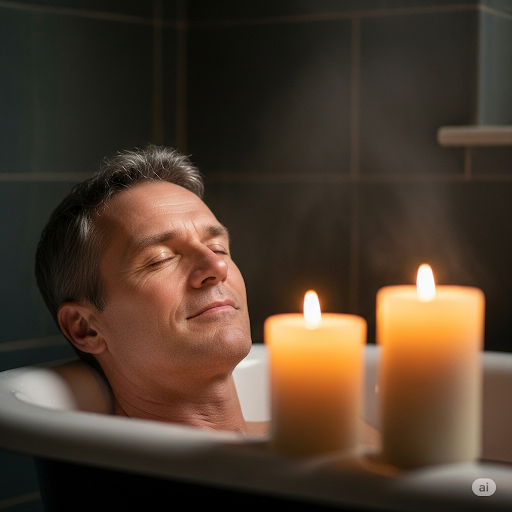
In our previous discussions, TS4 and TS5, we explored the foundational aspects of hydration, emphasizing the vital role of water consumption for overall health. Today, we invite you to delve into another fascinating dimension of hydration and well-being: the ancient, yet ever-relevant, art of the bath soak with salts. Far more than a simple cleansing routine, a mindful bath soak transforms into a profound ritual of sensory immersion and therapeutic benefit, offering a unique avenue for skin nourishment and mental tranquility.
The Science and Sensory Bliss of Salt Soaks
At its core, a bath soak with natural salts — be it Epsom, Himalayan pink, or Dead Sea salts — is a powerful act of self-care. But what truly happens when you sink into that warm, mineral-infused water? Beyond the immediate wave of relaxation, a fascinating interplay between your skin and the dissolved minerals begins. Your skin, the body’s largest organ, acts as a semi-permeable membrane. Through a process known as dermal absorption, beneficial minerals like magnesium, sulfates, potassium, and calcium can be gently absorbed.
Magnesium, for instance, is a critical mineral often deficient in modern diets, yet vital for over 300 biochemical reactions in the body. When absorbed through the skin, it can aid in muscle relaxation, alleviate cramps, and reduce inflammation. Sulfates are believed to support detoxification pathways, while other trace minerals contribute to skin health, helping to balance moisture levels, soothe irritation, and promote a healthy glow.
This unique form of hydration isn’t about ingesting water, as we discussed in TS4 and TS5. Instead, it’s about nourishing the skin topically, aiding its barrier function, and enhancing its natural ability to retain moisture. The osmotic balance created by the salts can gently draw out impurities while infusing beneficial elements, leaving your skin feeling uncommonly soft, supple, and genuinely revitalized – a feeling quite distinct from simply applying a lotion. It’s an embrace that revitalizes from the outside in, awakening your senses with warmth and subtle aromas.
Optimizing Your Bath Ritual: Frequency, Quantity, Temperature, and Timing
To truly harness the power of your bath soak, understanding the optimal conditions is key.
How Often Should You Indulge?
For most individuals, incorporating a salt bath into their routine 2 to 3 times per week is ideal. This frequency allows your body to consistently benefit from mineral absorption and relaxation without over-drying your skin, especially if you have a tendency towards dryness. Listen to your body; some may benefit from more frequent short soaks, while others prefer less frequent, longer immersions. Consistency, however, is often more beneficial than sporadic, intense sessions.
The Right Amount of Salt
The quantity of salt used can significantly impact your experience and the therapeutic benefits. For a standard bathtub, a general guideline for Epsom salts is 1 to 2 cups (approximately 250-500 grams) for adults. For Dead Sea salts, which are richer in a broader spectrum of minerals, slightly less, around 1 cup, might suffice. Always ensure the salts are fully dissolved in the warm water before you enter the tub to prevent skin irritation from undissolved crystals. Adjust the amount based on your tub size and personal preference, starting with a smaller amount and gradually increasing if desired.
The Perfect Water Temperature
The temperature of your bath water is paramount for both safety and effectiveness. Aim for warm, not scalding hot, water. The ideal range is typically between 92°F to 100°F (33°C to 38°C). This is slightly above body temperature but comfortable enough to immerse yourself without feeling overwhelmed. Water that is too hot can lead to several issues: it can cause rapid dehydration, strip your skin of its natural oils, leading to dryness and irritation, and potentially cause dizziness or lightheadedness, especially for those with certain health conditions. Warm water, conversely, gently opens pores, promotes relaxation, and allows for optimal mineral absorption without putting undue stress on your system.
The Best Time for Your Soak and Meal Considerations
Timing can significantly enhance the benefits of your bath ritual. The evening or nighttime hours are often considered the most beneficial. A warm bath naturally raises your body temperature; as you step out and your body begins to cool down, this temperature drop signals to your brain that it’s time to sleep, making it an excellent precursor to a restful night. It’s the perfect way to unwind after a long day, release tension, and prepare your mind and body for deep slumber.
Regarding meals, it’s best to avoid taking a bath immediately after a heavy meal. Digestion requires significant blood flow to your stomach and intestines. Immersing yourself in warm water can divert this blood flow to your skin, potentially causing digestive discomfort, bloating, or even nausea. Ideally, wait at least 1 to 2 hours after a substantial meal. A light snack before or after a bath is usually fine, but avoid bathing on a completely empty stomach if you are prone to feeling lightheaded. The goal is comfort and well-being, not discomfort.
The Post-Bath Regimen: Sealing the Serenity
The moments immediately following your bath are just as crucial as the soak itself. Resist the urge to aggressively rub your skin dry with a towel. Instead, gently pat your skin with a soft, clean towel. This preserves your skin’s delicate moisture barrier and prevents irritation.
Crucially, within minutes of stepping out, while your skin is still damp, apply your chosen moisturizer. This is the optimal window to seal in that magical hydration. The moisture from the bath, combined with the humectants (ingredients that attract water) and emollients (ingredients that soften and smooth skin) in your cream, will be locked into your skin, enhancing its suppleness and prolonging the feeling of well-being. Think of it as creating a protective, hydrating veil.
Important Considerations and Contraindications
While bath soaks are generally safe and beneficial, certain conditions warrant caution or medical consultation. Always consult your doctor before incorporating bath salts into your routine if you have pre-existing health conditions such as high blood pressure, heart conditions, diabetes, or kidney issues. Avoid bath soaks if you have open wounds, severe skin infections, or extensive rashes, as this could lead to irritation or further complications. Pregnant individuals should always consult their physician before taking any bath, especially warm ones, to ensure safety. For children, use a much lower concentration of salts and ensure close supervision, with shorter bath durations. Remember to stay adequately hydrated by drinking water before and after your bath.
Crafting Your Oasis: A Ritual for the Senses
Beyond the physical benefits, the true power of a bath soak lies in its potential as a mindful ritual. Dim the lights, light some candles, play calming music, or add a few drops of a skin-safe essential oil (like lavender for relaxation, or eucalyptus for invigorating clarity, always diluted and patch-tested). Let go of daily stresses, breathe deeply, and allow the warm water to melt away tension. This holistic approach, combining physiological benefits with mental tranquility, transforms a simple bath into a profound act of self-love and rejuvenation.
Ready to elevate your self-care? Explore the transformative power of a perfectly curated bath soak.
Explore curated bath essentials for your personal oasis here…