
In an increasingly health-conscious world, hydration has evolved from a simple need into a science. It’s no longer just about drinking water, but about doing so intelligently. The addition of electrolytes to our homemade drinks and infusions has become a popular practice, especially among athletes, fitness enthusiasts, and people looking to improve their overall well-being. But what exactly are electrolytes, why are they so important, and how can we safely incorporate them into our daily routines?
This article, which connects with our previous discussions on hydration (see articles TS4 and TS5), delves into the benefits, precautions, and expert recommendations on electrolyte drinks. We will address common myths and provide a practical guide for you to optimize your hydration effectively.
What Are Electrolytes and Why Do We Need Them?
Electrolytes are essential minerals that carry an electric charge when dissolved in bodily fluids like blood. The most well-known are sodium, potassium, calcium, magnesium, chloride, and phosphate. While their names sound complex, their functions are fundamental to life:
.Regulate fluid balance: They help distribute water throughout the body, ensuring that cells, tissues, and organs function correctly.
.Maintain blood pH: A stable pH level is crucial for the proper functioning of enzymes and proteins.
.Enable nerve and muscle function: They are essential for the transmission of nerve impulses and muscle contraction, including the heartbeat.
.Support energy production: Sodium and potassium are key in the cellular energy cycle.
We constantly lose electrolytes, primarily through sweat, urine, and tears. Under normal conditions, a balanced diet is sufficient to replenish them. However, during intense exercise, extreme heat, or episodes of vomiting and diarrhea, this loss accelerates, which can lead to an electrolyte deficiency, or electrolyte imbalance.
The Benefits of Homemade Electrolyte Drinks
The market is saturated with commercial sports drinks, but many contain large amounts of sugar, artificial colors, and preservatives. Preparing your own electrolyte drinks at home gives you complete control over the ingredients, allowing you to customize them according to your needs and preferences.
The benefits of these drinks are notable:
More efficient hydration: Electrolytes, especially sodium and potassium, help the body absorb water more quickly and retain it for longer than if you were just drinking plain water.
Prevention of muscle cramps: A lack of sodium and potassium is a common cause of cramps during exercise. Their replenishment helps maintain proper muscle function.
Improved athletic performance: By maintaining hydration and muscle function, athletes can train for longer and with greater intensity.
Faster recovery: After an intense workout or a tiring day, an electrolyte drink can speed up recovery by replenishing lost minerals.
Support during illness: During episodes of diarrhea or vomiting, electrolyte drinks are crucial for preventing severe dehydration.
Simple and Safe Recipes for Electrolyte Drinks
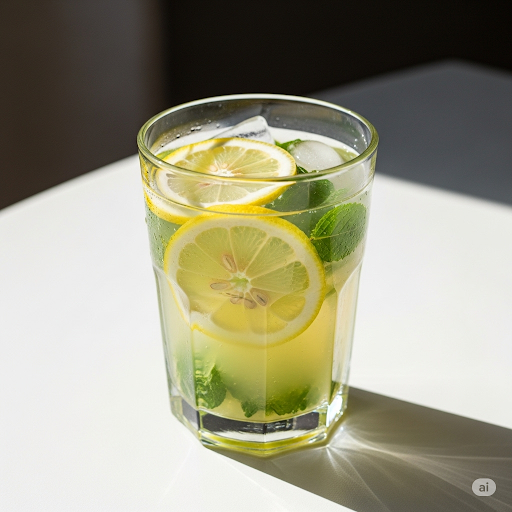
Creating an electrolyte drink at home is surprisingly easy. The key is to use natural ingredients that provide the necessary minerals. Here is a basic recipe you can adapt:
Liquid Base: 1 liter (approximately 34 fluid ounces) of filtered water or unsweetened herbal tea.
Sodium Source: ¼ teaspoon of sea salt or Himalayan salt.
Potassium Source: 1 to 2 tablespoons of fresh lemon or lime juice, or ¼ cup of orange juice. You can also use a little coconut water, which is naturally rich in potassium.
Optional – Magnesium and Calcium Source: ½ teaspoon of baking soda.
Optional – Sweetener: 1-2 teaspoons of raw honey, maple syrup, or stevia (for flavor, not for significant electrolyte replenishment).
Mix all the ingredients until the salt is completely dissolved. You can store this drink in the refrigerator for 2-3 days.
How Much and When to Consume?
The amount of electrolyte drink you should consume depends on several factors, such as your activity level, the climate, and your general health.
For moderate exercise (less than 60 minutes), water is usually sufficient. However, if the exercise is intense or lasts more than an hour, or if you are in a very hot and humid environment, it is recommended to consume between 400 and 800 ml (14-27 fluid ounces) of an electrolyte drink for every hour of activity. This helps replenish the sodium and potassium lost in sweat.
As a personal improvement plan, the following consumption regimen can be proposed:
Before Exercise (30-60 minutes): Consume 200-300 ml (7-10 fluid ounces) of the drink to “load” your body with electrolytes.
During Exercise (every 15-20 minutes): Take small sips (100-200 ml, 3-7 fluid ounces) to maintain stable levels.
After Exercise: Drink 400-500 ml (14-17 fluid ounces) to replenish what was lost and accelerate recovery.
Myths and Realities About Electrolytes
Reality: While crucial for athletes, anyone who sweats profusely, whether from physical work, extreme heat, or just a busy day, can benefit from electrolyte replenishment.
Myth: Commercial sports drinks are always the best option.
Reality: As mentioned, many of these drinks are loaded with unnecessary sugars and additives. Homemade versions are often a healthier and more effective option.
Myth: The more electrolytes, the better.
Reality: An excess of electrolytes, especially sodium, can be harmful. An imbalance, whether from deficiency or excess, can cause health problems. It is essential to consume them in moderation and in a balanced way.
Contraindications and the Importance of Medical Supervision
Although homemade electrolyte drinks are safe for most people, it is vital to know the contraindications. Those suffering from kidney disease, hipertensión, or heart problems should be extremely cautious with the consumption of additional sodium and potassium. In these cases, self-medication can have serious consequences.
Global Health Organization Recommendations
Major health organizations, such as the World Health Organization (WHO), have issued guidelines on hydration and electrolytes, especially in the context of dehydration due to illness. The WHO has developed oral rehydration formulas that are the basis for many homemade electrolyte drinks. These formulas emphasize the correct proportion of sodium and glucose for maximum water absorption.
Most sports nutrition experts recommend that electrolyte replenishment be based on the intensity and duration of the activity. For the general public, a diet rich in fruits and vegetables (natural sources of potassium, magnesium, and calcium) and a moderate salt intake are usually sufficient. Homemade electrolyte drinks are a useful supplement, not a replacement for a healthy diet.
Conclusion
Hydration goes beyond quenching thirst. It’s about providing our body with the essential minerals it needs to function optimally. Homemade electrolyte drinks offer a safe, economical, and customizable way to achieve superior hydration, preventing cramps, improving performance, and accelerating recovery. However, as with any supplement or dietary change, moderation and medical consultation are key. Listen to your body and, if you have pre-existing health conditions, seek professional guidance to ensure your hydration plan is safe and effective.